
Glass Office Desks
In glass office desks, how the material is worked, joined and finished matters as much as the material itself. Blends and mixed materials combine properties, so read the description to see what each part is made of.
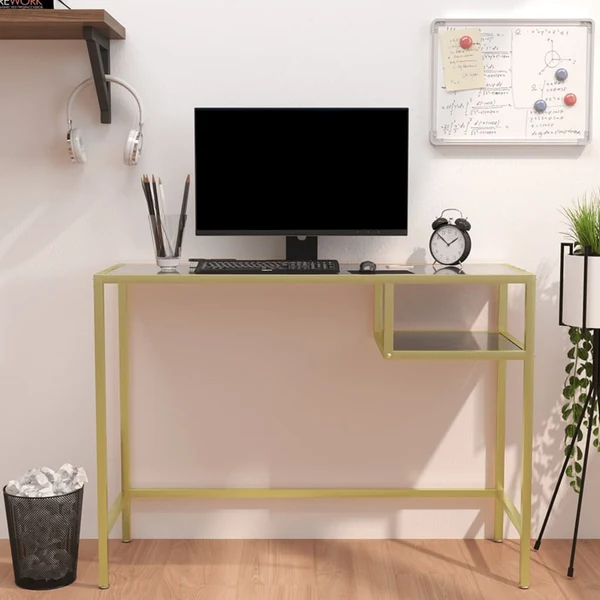
How this collection works
This collection cuts across product types around one shared trait. Here is how to choose within it.
Mind the upkeep
Care notes, where given, show how much attention an item will need.
See what is included
See what is included
Look-alike items can come with different parts, so check before comparing.
How to choose
- Compare the same kind in other materials: Wood Office Desks and Metal Office Desks.
- For frequent use, choose a forgiving material that is easy to clean.
- Match the material to the job first and to your taste second.
- Consider how the material ages; some soften or develop a patina, others stay unchanged.
Frequently asked questions
Will this material show marks?
Some materials show marks, scratches or creases more readily than others; for glass office desks, a textured or matt finish tends to hide everyday marks better than a glossy one.
How practical is this material for daily use?
Daily practicality depends on the material's grade and finish; for glass office desks used every day, look for a forgiving surface that is easy to care for.
What should I check when giving glass office desks as a gift?
When giving glass office desks, check that the material's care needs suit the person receiving it, and choose a finish that is easy to live with.
What does a blend mean for glass office desks?
A blend combines materials to balance properties such as feel, strength and care; for glass office desks, read the description to see what each component brings.
How does the material affect glass office desks?
In glass office desks, the material sets weight, feel, appearance and upkeep, and it shapes how each piece ages with regular use.